Moving to Las Vegas? Start With a Clear Plan
Moving to Las Vegas is easier when you know what to expect before you arrive. Compare neighborhoods, housing costs, new construction, taxes, and the steps involved in buying from out of state. This Las Vegas relocation guide is designed to help you make a confident move without rushing the decisions that matter most.
Your Las Vegas Relocation Solution
KEEP YOUR MONEY. LOVE YOUR LIFE.
Why Las Vegas?
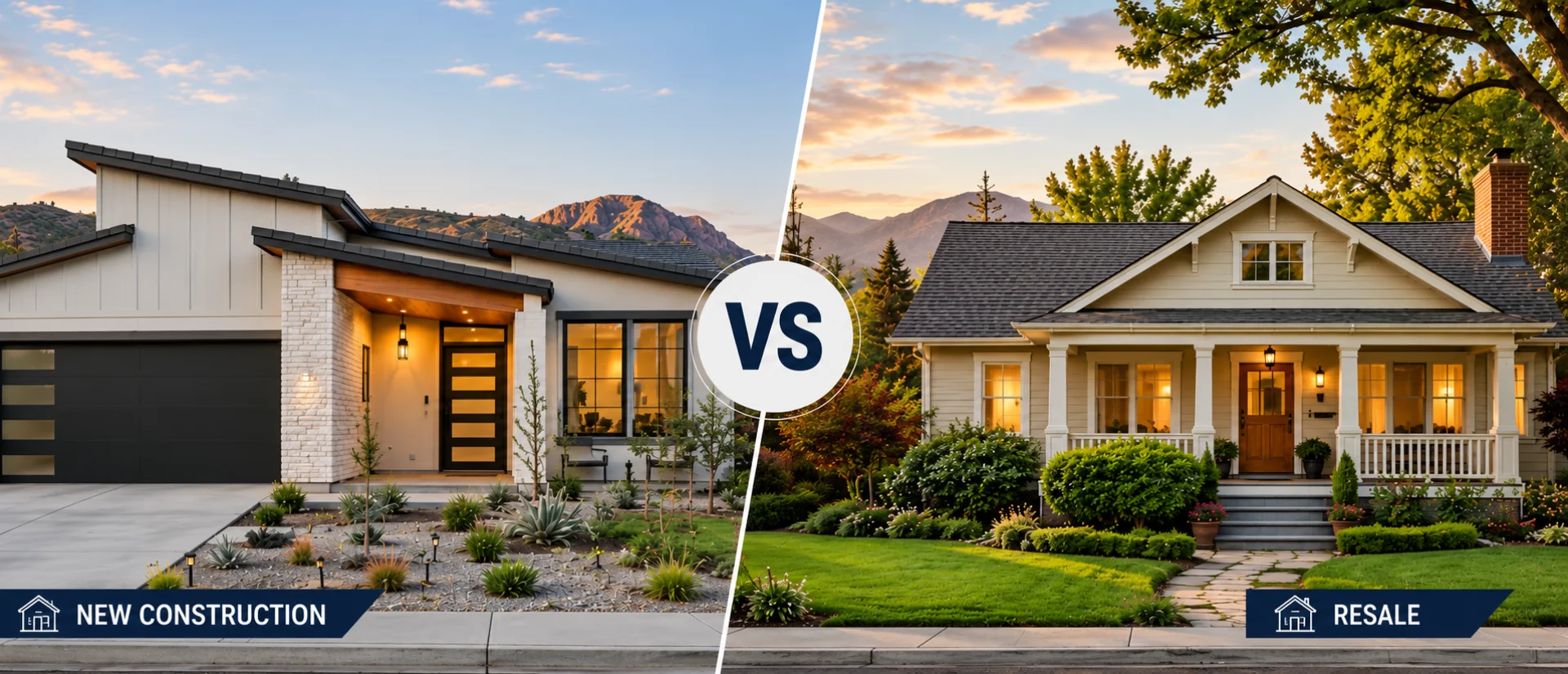
Resale vs. New Construction in Summerlin: Which Option Fits Your Home Search?

Single-Story vs. Two-Story Homes in Summerlin: Which Layout Fits Your Home Search?
Gated vs. Guard-Gated Communities in Summerlin: What Buyers Should Know Before Choosing a Home
What to Budget for After Moving to Las Vegas
Cost of living is more useful when you break it into the expenses that will actually change after your move. Housing is usually the biggest line item, but it is not the only one. Nevada does not levy an individual state income tax on wages or personal income, which can matter to households relocating from states that do.
On the other hand, Las Vegas buyers should budget for summer electricity use, vehicle and insurance costs, property taxes, and any HOA or special assessment tied to the property. A newer home may reduce near-term maintenance, while an established home can come with different repair or renovation needs.
Instead of relying on one “cost of living” percentage, build a monthly budget around the specific property and community you are considering. Our Las Vegas home buying guide can help you organize financing, inspections, closing costs, and the rest of the purchase.
Choosing the Right Las Vegas Area for Your Move
Summerlin
Henderson
Southwest Las Vegas
Enterprise
Southern Highlands


Buying a Las Vegas Home Before You Move
Buying a home in Las Vegas from out of state is workable, but the process is smoother when each step has a plan. Start by narrowing your neighborhoods and budget, then use live video tours to evaluate the home, street, nearby development, and drive routes—not just listing photos. When you find the right property, much of the offer and document process can be handled electronically, depending on the transaction.
Once under contract, schedule inspections, review HOA documents and property-specific assessments, stay ahead of lender and appraisal deadlines, and decide whether you can attend the final walkthrough in person. If you cannot, ask for detailed video and written documentation of the home’s condition. Build flexibility into travel and closing plans, especially with new construction where estimated completion dates can move.
Review the Las Vegas home buying process before you start, or talk with Mark about relocating if you want a local set of eyes on the details.

Costs and Rules to Check Before You Buy
Nevada’s tax structure is one reason many relocating buyers ask about the state, but homeownership still comes with property-specific costs. Nevada’s Constitution prohibits an income tax on the wages or personal income of natural persons. In Clark County, real property is assessed at 35% of taxable value, and qualifying owner-occupied primary residences can receive a property-tax abatement limiting annual tax-bill increases to 3%. New construction does not receive that cap in its first fiscal year.
If a home is in a common-interest community, ownership can require HOA assessments and compliance with the community’s governing documents. Some properties may also carry Special Improvement District or Local Improvement District assessments used to finance infrastructure such as roads, sidewalks, sewer, water, or other improvements. Clark County and Henderson both administer these types of assessments. Before closing, review the parcel’s tax record, HOA package, and any SID/LID balance.
Use planning your Las Vegas home purchase for the broader financial checklist.
A Practical Timeline for Moving to Las Vegas
60–90 days before the move
set a realistic budget, speak with a lender, shortlist neighborhoods, and decide whether resale or new construction fits your timing.
30–60 days before
begin serious tours, compare commute routes and community costs, and be ready to act when the right home appears.
Under contract
complete inspections, appraisal and financing tasks, review HOA or assessment documents, and plan the final walkthrough and closing. If you are buying new construction, leave extra flexibility around the builder's estimated completion date and your travel schedule.
After the move
transfer utilities and update your address, insurance, and other accounts. Nevada DMV says new residents generally must obtain a Nevada driver license and register their vehicle within 30 days of establishing residency.